

- Hurricane impact fenestration must survive a 9-pound 2x4 lumber missile fired at 50 feet per second.
- Followed immediately by 9,000 positive and negative cyclical wind pressure pulses without structural breach.
- SentryGlas (SGP) ionoplast interlayer provides 5x the tear strength and 100x the rigidity of standard PVB.
- Heavy-wall 6063-T6 extruded aluminum framing and multi-point perimeter steel deadbolts prevent frame detachment.
1. What Is Miami-Dade NOA Certification?
The Miami-Dade County Notice of Acceptance (NOA) is globally recognized as the gold standard for hurricane impact testing. Coastal regions worldwide—including Florida, the Caribbean, Hawaii, the Gulf of Mexico, Australia and typhoon zones across East Asia—adopt NOA protocols (TAS 201, 202, 203) and ASTM E1886/E1996 standards to protect life and property.
2. The Three-Phase Hurricane Impact Test Procedure
| Test Phase | Testing Protocol | Pass / Fail Criteria |
|---|---|---|
| Phase 1: Large Missile Impact (TAS 201) | A 9-lb (4.1kg) 2x4 lumber timber is fired from an air cannon at 50 ft/s (34 mph / 55 km/h) into the glass center and frame corners. | Glass may crack, but missile must NOT penetrate the laminate interlayer; no tear > 5 inches. |
| Phase 2: Cyclical Pressure Test (TAS 203) | Window is subjected to 9,000 cycles of positive and negative wind pressure (e.g., +70 PSF to -70 PSF) simulating sustained hurricane eyewall winds. | System must maintain seal; no structural dislodgement or tears allowed. |
| Phase 3: Uniform Static Air & Water (TAS 202) | Static air infiltration and 15% design pressure water spray applied to check for catastrophic leaks. | No water infiltration through the frame under severe driving pressure. |
3. The Science of SentryGlas (SGP) vs. Standard PVB
Standard architectural laminated glass uses Polyvinyl Butyral (PVB). However, in high-velocity hurricane zones (HVHZ), PVB can sag and stretch under prolonged cyclonic wind cycling once the sacrificial exterior tempered glass fractures.
OPPGATE hurricane series utilize Kuraray SentryGlas (SGP) ionoplast interlayers. SGP is 100 times stiffer and 5 times more tear-resistant than PVB. Even if both glass plies fracture, the SGP composite panel remains upright and rigid in the frame, preserving building envelope pressurization and preventing catastrophic roof blow-off.
4. Heavy-Gauge Extruded Profiles and Deep Glass Bite
Glass alone cannot stop a hurricane. The aluminum frame must incorporate heavy-gauge wall thicknesses (2.0mm–3.0mm), structural stainless steel corner brackets, and a minimum 22mm (7/8") glass bite depth embedded in structural silicone sealant (Dow Corning 983/995) to ensure the glazing cannot be sucked out under extreme negative barometric pressure.
Frequently Asked Questions
What is the difference between Large Missile and Small Missile rating?
Large Missile (Zone 4/HVHZ) is required for the first 30 feet above ground level and tests against a 9-lb 2x4 lumber projectile. Small Missile applies above 30 feet and tests against 10 steel ball bearings fired at 80 ft/s.
Does impact glass eliminate the need for hurricane shutters?
Yes. Fully certified NOA impact windows provide permanent, 24/7 hurricane defense without the labor of hanging plywood or operating motorized metal storm shutters.
Can impact windows also provide soundproofing and anti-theft security?
Yes. The dense laminated SGP glass and reinforced multi-point locks provide outstanding sound attenuation (up to 42dB) and withstand prolonged crowbar or sledgehammer burglary attempts.
Explore OPPGATE Aluminum Windows
Thermal break aluminum sliding, casement, tilt-and-turn and panoramic window systems for global residential and commercial projects.
View All Aluminum Windows Models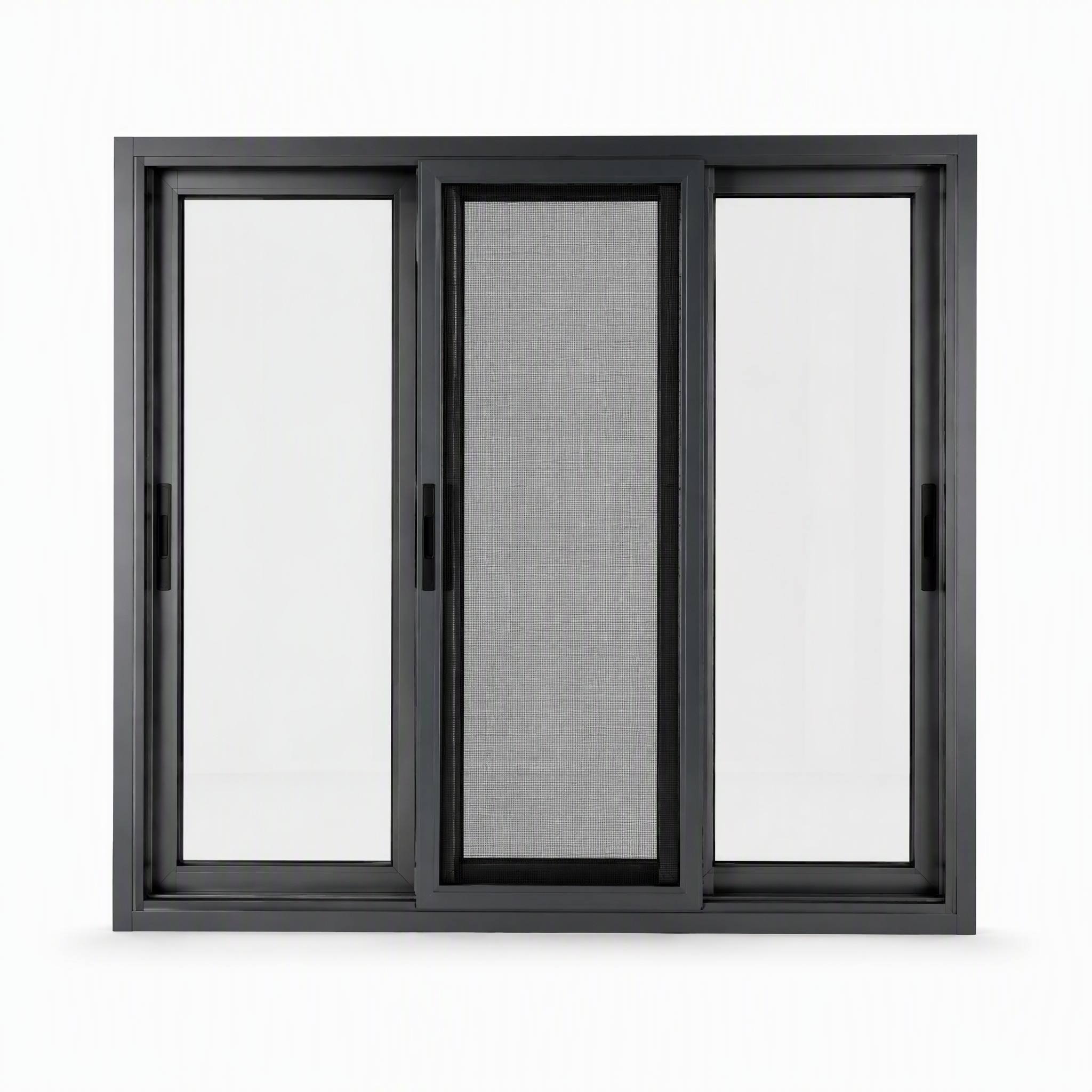
Planning a Commercial or Villa Project?
Send your window schedules or architectural CAD drawings to the OPPGATE engineering team for a prompt, certified quotation and structural review.
Request an Engineered Quotation